
Tay Ninh strives to develop 19,000 hectares of safe vegetable production by 2030 (Vietnamese)

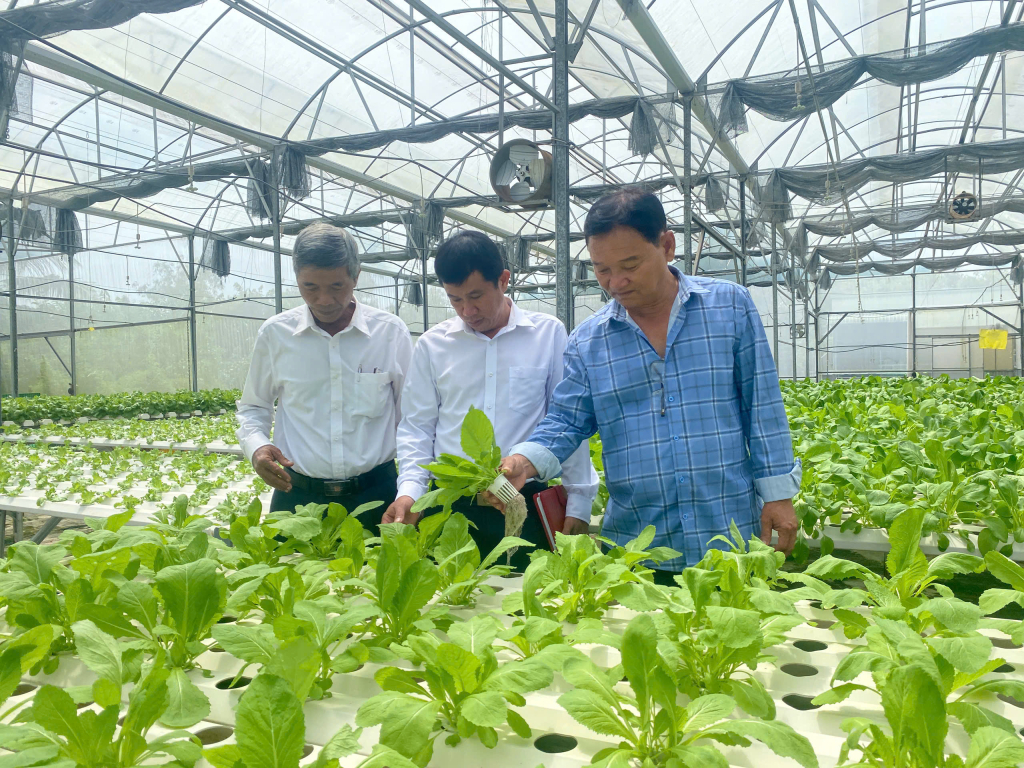
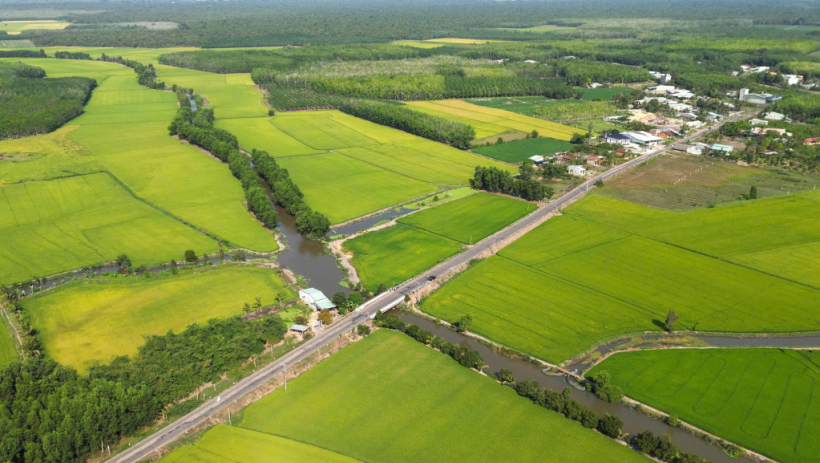
According to the plan, by 2030 Tay Ninh aims to expand the province’s total vegetable cultivation area to 30,000 hectares. A key highlight of the roadmap is a strong shift toward quality improvement, with more than 60% of the total area—equivalent to approximately 19,000 hectares—produced under safe farming standards, applying high technologies and required to have clearly defined planting area codes.
Under this orientation, total vegetable output is projected to reach nearly 580,000 tonnes/year, meeting not only domestic consumption demand but also supporting export growth.
To achieve these ambitious targets, the provincial People’s Committee has identified three key pillars. The first is technology application, with the introduction of modern cultivation techniques and smart agriculture solutions to optimize productivity and ensure effective control of output quality. The second pillar is strengthening value chain linkages, fostering close connections among farmers, enterprises, and scientists to secure stable and sustainable markets. The third focuses on market expansion, with the province looking beyond traditional markets to access high-value and demanding destinations such as the United States, the European Union, Japan, and the Republic of Korea.
The People’s Committee has assigned the Department of Agriculture and Environment to take the lead, in coordination with local authorities, in strictly monitoring food safety indicators. At the same time, relevant agencies will step up support for farmers in accessing preferential credit sources, transferring technologies, and providing guidance on procedures for granting planting area codes.
The emphasis on traceability and food safety standards not only helps protect public health but also serves as a “passport” for Tay Ninh’s safe vegetables to penetrate more deeply into global supply chains, thereby promoting sustainable rural economic development in the new era./.





Ý kiến ()